Release Radar includes wrong artist with same name as desired artist

I constantly find my Release Radar recommending songs by an artist (say A) with the same name as an artist (say A') that I might actually wanna listen to. This is extremely dumb as an issue because these two artists are listed as genuinely different artists in Spotify and the newly recommended song by a wrong artist is listed as a song of A' in the system. A reasonable conclusion is that at least Release Radar does not look into the artist IDs but just merely refers to their names. This happens to like 5 different artists to me and my Release Radar is contaminated by songs which I have absolutely no interest in. I believe this is a very basic bug that can be fixed in like 5 minutes.
Accepted answers
All comments

Yes, the Release Radar should be exclusively for bands that are followed and, as you mention, there are other places in Spotify to get recommendations. I personally use the artist radios for that. My Release Radar recommendations have been absurdly off-base lately and this just exacerbates the ongoing problem of fake artists polluting this playlist.

Hey @ThomWim, we'd just like to confirm some things with you. We couldn't find the track in the Release Radar you submitted. Did that track appear last week? Are you following the gospel group https://open.spotify.com/artist/0Rg9knyDFkQL3IC0RCFoHh or the punk-rock band https://open.spotify.com/artist/5LfGQac0EIXyAN8aUwmNAQ ? If this didn't appear on your RR and you're following the punk-rock band, Sharknado being incorrectly attached to the gospel group's page must be again just an ID mix-up when uploaded.
=====
Yes @Mihail, I'm following the punk rock band the Offspring, but their song "Sharknado" is listed on the gospel band's profile. The song was released a few years ago, and it was not on my release radar.
This is 100% an ID mixup. [Simple Worship is by the gospel Offspring, but Sharknado is by the punk rock Offspring]

Hello everyone, apologies for the late reply! Even moderators get sick from time to time, but I'm back on the case 🙂
Here's what we got:
We have looked through the reports submitted by you - a total of 12 for the week, and identified 5 valid ones that show unexpected behavior.
The reports have been forwarded for further investigation, but due to the dynamic nature of the Release Radar it'll take us some time to dig into this.
Valid reports from tomorrow's release radar could of course still help out, so keep 'em coming.
@spotix - we suggest to let the team handling the reports know there doesn't seem to be an artist page or URI and the track is just wrongly uploaded to the other URI when submitting your report. That should clear up any confusion for them. Keep in mind, we receive hundreds of reports each day, so some misinterpretation might occur in the heat of the moment. We'd also like to ask you to follow our Community Guidelines and keep your tone civil and friendly, otherwise we'd be forced to suspend your Spotify Community account.
Take care!


See this URI: spotify:track:4pFDWJmUVY82I4Gn0A1eBI
Clearly not The Walkmen. This person is taking advantage of bands that are inactive.

This happens every single week!!!!
An example from this week. Artist using name BT showing in my radar: spotify:artist:5hvgLtG4i37Zo8kigzFD50
I do not follow this artist. The BT I follow: spotify:artist:64MoFdq8ORI3V98AR5SPWL
https://twitter.com/BT/status/1184108453146574848
https://twitter.com/BT/status/1184859724560437248

If an artist/label upload new music and that bandname is taken it should be impossible to connect that new name to an existing without proving that you got the right to do that. I know there are tons of names that are the same, but that's the case in every single database ever made and something that can't be so hard to solve.
You can't reley on your paying customers to fix your database. Every friday get's me closer to another service.


I just tried to fill out that form, but it required information that would have taken me too long to find. It tells us to put the wrong artist or artists that are in our "Release Radar" playlists. That's not my job; it's Spotify's. I don't mind filling out the rest, but I'm not trying to go through different artist profiles to find the fake one. This form needs to be revised, so that it doesn't require that information of us, which means the form cover would the full issue of wrong artists.
I was thinking that it's cool how Cinderella has a new song out. Slaughter, Warrant, and Firehouse are not grouping up together and with some other artist on as song . And Heart didn't put a song out, with some other artist. Spotify employees need to stop being so specific with what of this issue that they want to fix, and just fix all of the issue.
Here's the trash in my "Release Radar", this week.

Here's the real artists and bands that I'm following (along with a few that I'm not, though I have listened to a song or two from each ).

this problem is so annoying !
in my last release radar i have more than 12 songs with this problem.
Pay attention that those songs appears with a wrong combination of artists
instead just one artists.
Usually the first artist in the list is the "faked" one to which the spam song belongs and the others point to artist i follow ( although the songs has nothing to do with them)
reporting the songs doesn't help in fixing the real cause of the problem (I've reported dozens of songs along the years and each week the problem is still there but with different songs/artists)
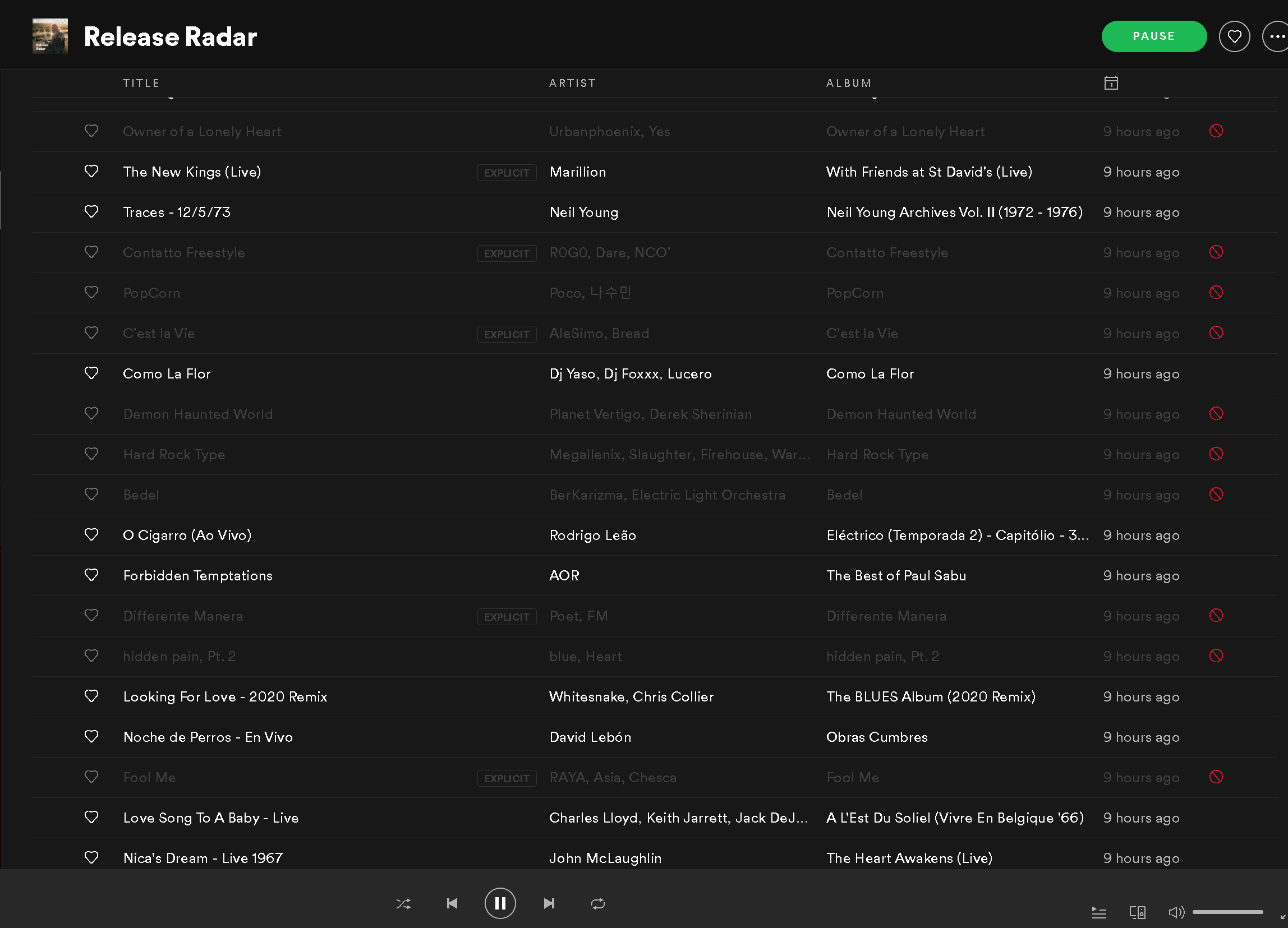

Not that bad this week. Just two weird tracks.
#1. Looks like its just someone tagging their song with the 1970s Electric Light Orchestra to get some visibility.
https://open.spotify.com/track/4bEE5reerYchv3EYmQSPfy
#2. It's obvious they have a rapper featured on this track that goes by the name Bully, but its pointing to the Bully I follow, which is an indie rock band.
https://open.spotify.com/track/5yRLP9Hb2TawVCYzdJuRH9?si=H_jZRbUERk25ATH0dpa7Hw
It's even more unfortunate that the Bully I follow has their "Appears On" section filled with all of the albums/singles where the rapper Bully appears. Can't imagine how much it must suck as an artist to have other artist's stuff you have no association with show up on your artist page to all your fans.
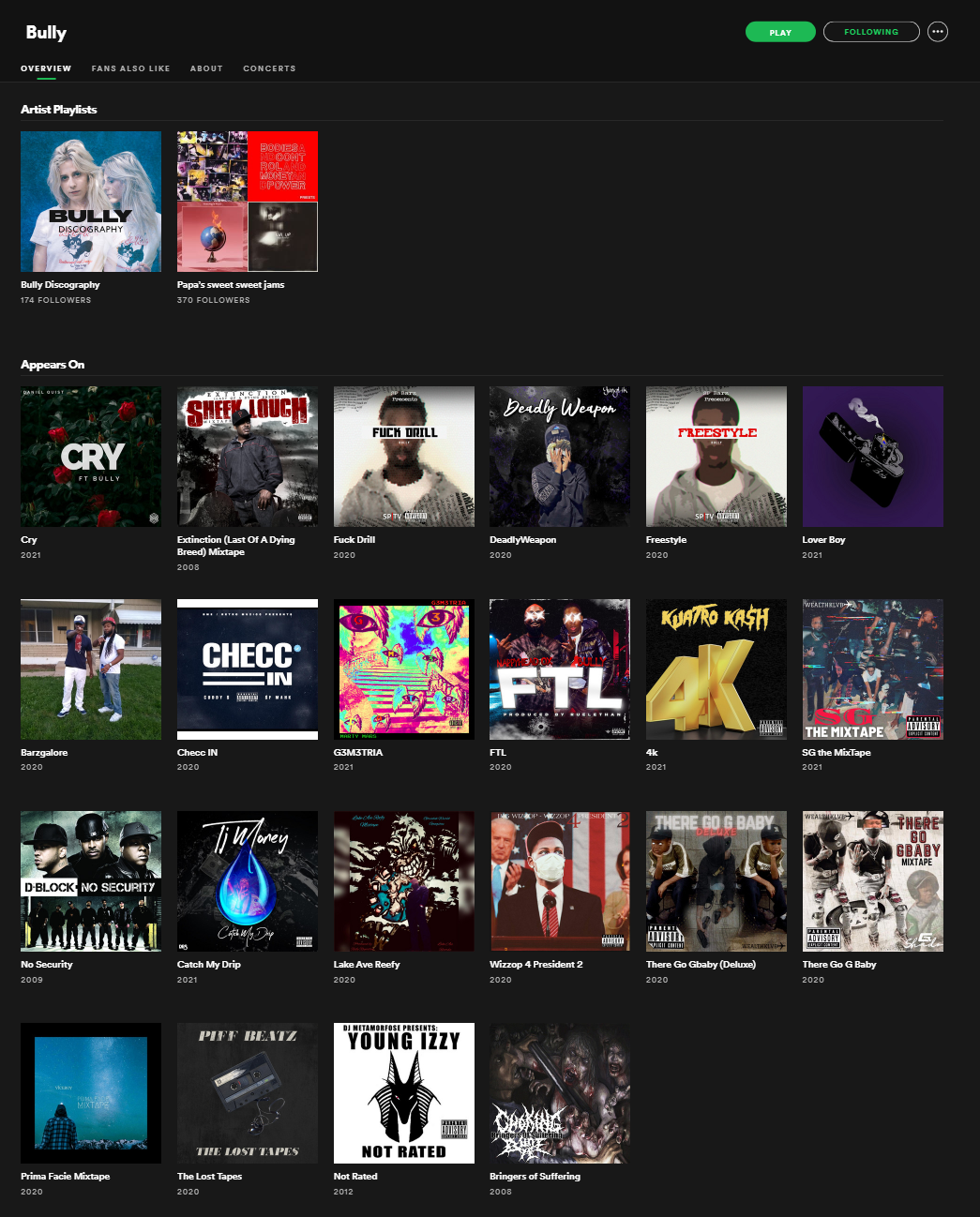

"A report must be submitted". Copying URIs and filling out forms is error-prone and ineffective. I'm sorry, but Spotify wants us listeners to do their job. As stated in the other thread, I've already submitted several reports some time ago and the results were none, and I got no response either. Just ask your team to take a look at the fake tracks reported in this forum and do it themselves. Here, for example.
Hello everyone,
we'd like to share an update of the findings that we got from investigating this in greater detail. Heads up, long read upcoming.
First, some data facts!
Since we asked for your reports a month ago, we received a total of 61 reports.
Out of those, 27 were actually valid reports that looked like the algorithm isn't functioning as intended, but for all intents and purposes, if you're not happy with your RR, that means we have room for improvement and we'll count all reports as valid for the discussion at hand.
Let's dissect these numbers and put them into perspective.
There're roughly 340 million RRs generated each week. For the 1 month investigative period, that would be 1,360,000,000 Release Radar playlists generated.
That amounts to reports for 0.000004% of the playlists.
Now, we know the algorithm is not perfect so there're probably more errors. And we also know there're reports submitted elsewhere and maybe even a lot of people don't even bother, so let's boost that number by a significant amount - let's make it a factor of 100 000. We pick that number because it would already be outside of our scope to handle if we received so many reports each week, but at the same time we want to be pessimistic about the accuracy of the recommendations.
That still amounts to 0.4% of errors.
For us that is 0.4% still too many and we'd love to bring that number even closer to a total zero, even if, let's be honest, an auto generated playlist will never be 100% accurate for 100% of all the music fans out there.
So the question is what can we do to improve the experience of those affected?
Well, we think we have just two options available to us:
- Provide information and clarity on why things happen as they do.
- Commit to continuously improve our recommendations.
The 2nd one's a given, you have our word. Good recommendations is a big priority for us and we're continuously and constantly tweaking things backstage to improve those. You can do your share by feeding some data to the automatic systems using the Like and Hide features and listening to music that you like from as many different sources within the app as you find useful for your personal listening habits. If you find something new that you like, it will have a more positive effect on recommendations than established favorites.
I'll try and tackle point number 1 now and provide you with as much info as we were able to gather during the course of this investigation. I'll post part of this again in a separate post that will be pinned to the top of the thread to improve visibility, so apologies beforehand for a double post.
There're several complaints that we have to address and unravel. Let's look at them one by one.
- I receive tracks from artists I don't follow at all in my Release Radar - This is intended and we don't plan on changing this. The Release Radar doesn't only help you keep track of artists you follow, but is meant to allow you to discover new music from others we think you might enjoy. It is also one way for Spotify to help artists get their music noticed.
- I get music that I don't enjoy at all in my Release Radar - This means our algorithm doesn't know your music taste so well. There can be many reasons behind this, but the rule of thumb to improve the music you receive in the automatically generated playlists for you is to listen to music without a private session, use the like and hide features, have more intentional music listening habits rather than opportunity based and when you discover something new that you enjoy, listen to it proportionally more than other content. Following these guidelines should give you better recommendations in time. It will still not be perfect and it can vary from person to person, but as mentioned, we're constantly improving these as we go.
Now here's the big one that didn't sound right even to us.
I get tracks from artists that are named exactly the same as ones I follow and enjoy, but it turns out the track is unrelated to that artist and they only have the same name. What gives?
There's also the question if there is some sort of malicious intent behind this so that artists capitalize on others' success. Well, we'll try and answer this with concrete examples based on your reports.
For the Release Radar that was generated on the 26th of February, a lot of you reported this track:
It appeared to those of you who follow:
Another common report from the same week was
that appeared on RRs for folks who followed
And a third one was
which landed on Release Radars for people who followed
Thanks to your reports we found out why this actually happened.
Here's a bit of backstage info - all of those millions of Release Radars don't get generated on the exact date. They don't look what got released exactly then, but they use data from a release data pool and the systems start compiling your playlists quite a bit in advance so that there's no delay in deliveries due to the amount of data that needs to be processed.
Turns out, "Hypercolours" was uploaded a couple of days earlier to
spotify:artist:6kFay2DQ5aZfeu5OsrF3Pw.
The distributor uploading this then spotted the error and sent a correction request. The track was then moved to a separate artist profile, but alas, it was already captured in your Release Radar.
The exact same thing has happened with the other two reports in the example and with all valid reports that were submitted. During upload, metadata submitted by the distributors erroneously attaches a track to a wrong artist, the Release Radar sees that artist that you follow has new content and captures it to present it to you and by the time the error is corrected and the tracks are associated with different artists, it's already been added to your playlist.
Mind you this can happen and actually happens more often with featured artists as well, as it seems those are more often really small and share names with more popular ones.
Based on how these errors happen and that they usually quickly get corrected afterwards, we don't suspect malicious intent. The first track has been taken down completely for a majority of markets, while the others in our example were separated from the bigger artists even before your Release Radar synced in your app. The only positive effect this would bring is a temporary boost in streams, but looking at the numbers, this is minimal and if you don't like that track, it would actually have an averse affect on capturing an audience and generating revenue. (Remember that Spotify does not pay on a "per-stream" basis.) If however you happen to like that track and decide to follow the artist, we would argue it falls under the principle of genuine discovery, even if it might've been recommended in error.
Now here's the point where we're sure we'll still receive complaints - you still don't want those tracks, even if we explained the technical reason for them appearing. We want to be honest with you - at this point we don't have a solution. Your reports allowed us to receive an incredibly valuable insight on a flaw in the system, but for now, we really can't provide a fix for it. And it's not that we don't want to, it's that the reason for this is deeply ingrained in a complex amalgam of both human error and technical limitations during the upload and distribution process. We do not have the manpower to fact-check the metadata of the tens of thousands of songs uploaded to Spotify every day. And the distributors we work with are human as well. The systems we have set in place do limit errors by requiring specific data to be submitted, but without teaching an AI to audibly differentiate two artists from another, the systems still use the metadata provided to them.
That leaves us with the 2nd best option - making corrections based on human input and reports on incorrect content. This really helps and is one of the reasons why some tracks even get removed from the platform as can be seen in the above examples. And we've read your posts that you can't know on which artist profiles these tracks belong, but here's the thing - you don't need to. The report just needs to be clear and state that you're reporting a track that is by another artist of the same name, but isn't actually the one on whose artist profile the track or album is attached to. This is often the case - a new artist profile for this same-name artist just needs to be created and you can't find that if it doesn't exist yet, so no one expects that 🙂 It will get created by the team after your report is processed.
That being said, we'd like to ask you for your understanding that processing these reports can take a while and yeah, sometimes you might get a question that doesn't seem to make sense but it's just because the person looking at your report maybe didn't understand it, so help them out to help correcting content errors for everyone.
I know this is a lot to digest, but as mentioned, at this moment this is what we can do - give you insights and information. We hope you understand but at the same time have to point out that aggressive and offensive behavior will not be tolerated on the Community and could lead to the closure of this thread. We'd think that after what it helped accomplish in terms of insights it would be really sad to see, so we're keeping our fingers crossed to receive more constructive discussions and understanding surrounding this topic.
Once more, thank you to all who participated and submitted reports to the form we posted here. The data received is set for complete deletion and we'll only keep the knowledge and non-verbatim feedback we gained from it.
All the best!
Here's an as short as possible version of a previous post in this thread, explaining the behavior of the Release Radar.
- I receive tracks from artists I don't follow at all in my Release Radar - This is intended and we don't plan on changing this. The Release Radar doesn't only help you keep track of artists you follow, but is meant to allow you to discover new music from others we think you might enjoy. It is also one way for Spotify to help artists get their music noticed.
- I get music that I don't enjoy at all in my Release Radar - This means our algorithm doesn't know your music taste so well. There can be many reasons behind this, but the rule of thumb to improve the music you receive in the automatically generated playlists for you is to listen to music without a private session, use the like and hide features, have more intentional music listening habits rather than opportunity based and when you discover something new that you enjoy, listen to it proportionally more than other content. Following these guidelines should give you better recommendations in time. It will still not be perfect and it can vary from person to person, but we're constantly improving these as we go.
- I get tracks from artists that are named exactly the same as ones I follow and enjoy, but it turns out the track is unrelated to that artist and they only have the same name. - This happens if a track initially gets erroneously uploaded to the artist you follow. It can be that the error is already corrected by the time your Release Radar updates, but it already captured the track on its upload. It can happen with featured artists as well. Currently, there's no technical solution in place than can prevent errors like this happening, as we rely on submitted metadata. If you spot an incorrect content, it's best to report it as described here. Make sure your report is clear. If you can't find an artist profile with the same name as the one you follow, it probably hasn't been created yet and is part of the reason the error occurred. Point that out in your report to ensure it can be processed efficiently.
Thanks for explaining this. It's appreciated.
I still have a couple questions:
1. What about artists that clearly tag another artists just for exposure? For example, an unknown artist tags Kendrik Lamar just for the exposure but it's clear Kendrik Lamar had nothing to do with the song. They're riding on the backs on popular artists and abusing the system. Do we report these the same way?
2. If I say "I don't like this artist" when the metadata error happens does that prevent the true artist from showing up in my RR again? It would be nice to have a "report incorrect metadata" button or something. This would give Spotify better statistics on how often it's happening. The hardcore fans come here to report.

I just sent a long detailed response to this but got an error when I tried to post. Urggghhh.
To summarise, please don't state that this is only affecting a handful of your users, when its actually very hard for your users to actually know about this reporting process and have the energy to go through all the steps to do it correctly. This could be affecting 100% of your users, you just aren't making it easy for us to tell you.
The architecture limitations I completely understand and really shed a lot of light into how these things can't get captured in time (generated 100s of millions of RRs ahead of time for 0 delay come Friday).
Usually my issue lies with the third point you make "I get tracks from artists that are named exactly the same as ones I follow and enjoy, but it turns out the track is unrelated to that artist and they only have the same name."
If in fact these same named artists point to a different artists page, is it safe to hit the button "I don't like X" without it affecting the algorithm, making it think I don't like the artists I follow?
I constantly, almost weekly, see songs with the artist DEVO (I Follow spotify:artist:0UKfenbZb15sqhfPC6zbt3) but when you click DEVO it points to this DEVO spotify:artist:1VodUBUid6WspbE91YTuo6. I guess my question is, if I press "I don't like DEVO" will it know that I am referring to the one I don't follow, DEVO spotify:artist:1VodUBUid6WspbE91YTuo6 ?
Unfortunate that this issue will persist indefinitely, however.
Thanks for the all the help so far.
Here's a real case of "I get tracks from artists that are named exactly the same as ones..." in some detail. There is an artist called Focus which has nothing to do with the classic Dutch band, but some electronic music group (or individual) instead:

Not bad, in fact (to my taste, at least), but this release is mixed up with the Dutch Focus band. Easy enough -- spotify:artist:0ifzzRKdmtgaHy9cfnnyCR will show this new release:
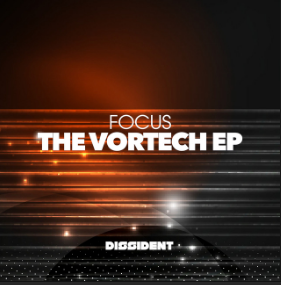
On the other hand, if you go to spotify:album:3wdCtc8eL9i4qYB7qeIJYq (the EP above), you'll see the original Focus band in "More from Focus".
So this will not be solved ever?

@Mihail wrote:
First, some data facts!
Since we asked for your reports a month ago, we received a total of 61 reports.
...
For the 1 month investigative period, that would be 1,360,000,000 Release Radar playlists generated.
That amounts to reports for 0.00000004% of the playlists.
I want to open this up by firstly saying thank you for giving us a better insight as to why this happens, and why it's so difficult to fix.
Your figures are not correct though, and I want to clear them up to give everyone some perspective.
- Firstly, you're relying on data pooled from two completely different groups: A very niche subset of users of Spotify (ie. the users of the forums), and comparing their data against Spotify's entire userbase which is unfortunately a bias. Never mind the possibility that not all people following this thread will even reliably submit a report. Never mind the fact that this thread is already years old and surely some posters have left, or given up, moved on, and so on.
- Secondly, that figure of 0.00000004% is slightly incorrect anyway. You've calculated 61/1360000000 which does equal 0.00000004, but that figure must be multiplied by 100 to get a percentage of 0.000004%.
And we also know there're reports submitted elsewhere and maybe even a lot of people don't even bother, so let's boost that number by a significant amount - let's make it a factor of 100 000.
...
That still amounts to 0.004% of errors.
- Thirdly, with figures corrected, 0.000004% x 100,000 = 0.4%.
Let's dissect these numbers and put them into perspective.
There're roughly 340 million RRs generated each week.
0.4% of 340,000,000 = 1,360,000 users that have been affected by this. Or 620,000 paying subscribers according to data from here: https://newsroom.spotify.com/company-info/
I understand that these are all just rough figures and there's no way to know exactly how many people this affects but those numbers were just incorrect and I felt they unfairly downplay the frequency in which this happens.
Again, it's good to know what the reasons are exactly that could lead to these situations though.
Hey folks!
Happy to see all the appreciation for us trying to clarify things. We're giving it our best!
I'll be taking some leave soon, but wanted to jump in and reply before going off.
@w9t6l-t6s_ok - If by tag, you mean add other artists as featured, then - yes, you can report them the same way. Please note however, that it's more difficult for the team to discern if artists have maybe collaborated or been sampled or similar. Those would be valid feature reasons. In any case, reporting functions the same for those as well. You raise an interesting point with your 2nd question. As far as we understand, there shouldn't be an impact as the RR focuses on who you follow. To be safe, you can always just pick "I don't like this song".
Something curious regarding your last point about report incorrect metadata: We used to have something like this in the form of a specialized website called Line-In, where users could help correct metadata issues. Due to a variety of reasons we had to shut it down, but it could be something that we look into again in the future.
@jeremycorbett - Trust us, we know the feeling when a detailed reply gets flushed down the internet tubes. Sorry to hear that happened! Regarding your post - we can only take action based on empirical data. When we're dealing with numbers that range into the hundreds of millions, gathered by actual usage data, a valid statistical assumption would be that if this was more prevalent, there would be more... well... more of anything really. One thing we'd like to make clear is we're not trying to downplay this, but just to bring it into perspective as to why this is difficult to tackle right now.
@arcadechan - Glad to hear you found the info useful! To answer your question - yes, if the two artists have distinct artist pages, that meas they have unique identifiers, that the system uses for all algorithms. That being said, you're probably getting this consistently, as this artist's distributor also seems to upload it consistently with wrong metadata, so it might still happen because during the Release Radar capture, it would have the other ID. Wish there was anything else we could do to help at this point, really. Thank you so much for your friendly tone and understanding!
@rubs - seems this has since been corrected and the EP has been separated to its unique page. If you have reported this, it might've been your report that accomplished this 🙂 For the time being this indeed is not something we can prevent from happening, but we are strong believers in the saying "never say never".
@spotix - You are absolutely correct! I hope my primary school math teacher doesn't see this. Please don't tell, I received enough mocks from my team mates already :'D I've went ahead and edited my silly mistake, thanks for pointing it out! However, do consider we're still comparing something withing the decimals of a 0 to something within the decimals of a 0. As mentioned to jeremycorbett, we would still be expecting to hear more about this, especially from our subscribers, if those figures are really way off, hence why we picked a really big factor multiplier. Changing that multiplier has an exponential effect on your calculations as well. At the end of the day, we can only act based on factual data and reports. To re-state, we're not trying to downplay this, but rather to provide perspective and transparency. Your last sentence is reassuring that we hopefully succeeded at this. Thank you!
Hope I managed to cover everything. Take care all!
I just want to point out some other considerations when trying to gauge how many users are indeed affected. The first thing is your baseline, the reports collected over the month. If I understand correctly, in the end you took all reports into account and therefore I assume your extrapolated number is supposed to represent not only the algorithm actually failing but also gauge the amount of manual errors when artists upload the music. If that is the case, the number is already skewed by explicitly saying you only wanted reports of artists showing up in the RR without their own page. I alone could have easily inflated the number of reports without that restriction in place.
The other things to take into account would be how many users actually listen to their RR to begin with? How many artists do those users follow on average? I for one follow a lot of artists (around 1400) and the RR is actually a good incentive to do so (I really like the RR otherwise I would not bother writing anything and its current form is preferable to no RR, to make that clear) but the more artists you follow the bigger the chance you encounter the phenomenon (and how unique the artist names are). The less artists you follow the less chance of a wrongly linked artists there is and the chance that a recommendation is wrongly linked and it actually is spotted as such is even lower because the user does not know what the artists is supposed to sound like in the first place (whether he likes it or not does not really matter in that case). Therefore I would expect the number of artists you follow to actually be the main factor that affects how frequent the issue appears. Of course there is also the question how many users actually use the community.
Those are the factors I can think off the top of my head which affect how likely you encounter the problem. I'm pretty sure that taking all those factors into account would make the current extrapolated number less generous than the factor of 100 implies. I would actually argue that the estimate is affected by so many other factors that I would trust my own RR as a better indicator of the issue despite its awful sample size.
All that said, I like that you looked into it and made it as transparent as you did. But I don't think that it is not a widespread problem if you fulfil the requirements for it to be a problem, its probably more that people just don't care enough/accept it or simply just don't notice.
EDIT: corrected some typos and some rewording for better clarity
You do have a report deceptive content link on artists: https://support.spotify.com/ca-en/content-policy-reporting/
Can you add something there for metadata?
Here is one from my RR today: spotify:track:0OXEbTAvGW8oOC0jxag5gt
Tagged Justice which leads to spotify:artist:1P7LEMD31jxiljPh53dax6 I follow spotify:artist:1gR0gsQYfi6joyO1dlp76N Pretty obvious that Justice was not sampled.

Just got recommended a new song from (ford.), but it's someone else with the same name.

In today's release radar:
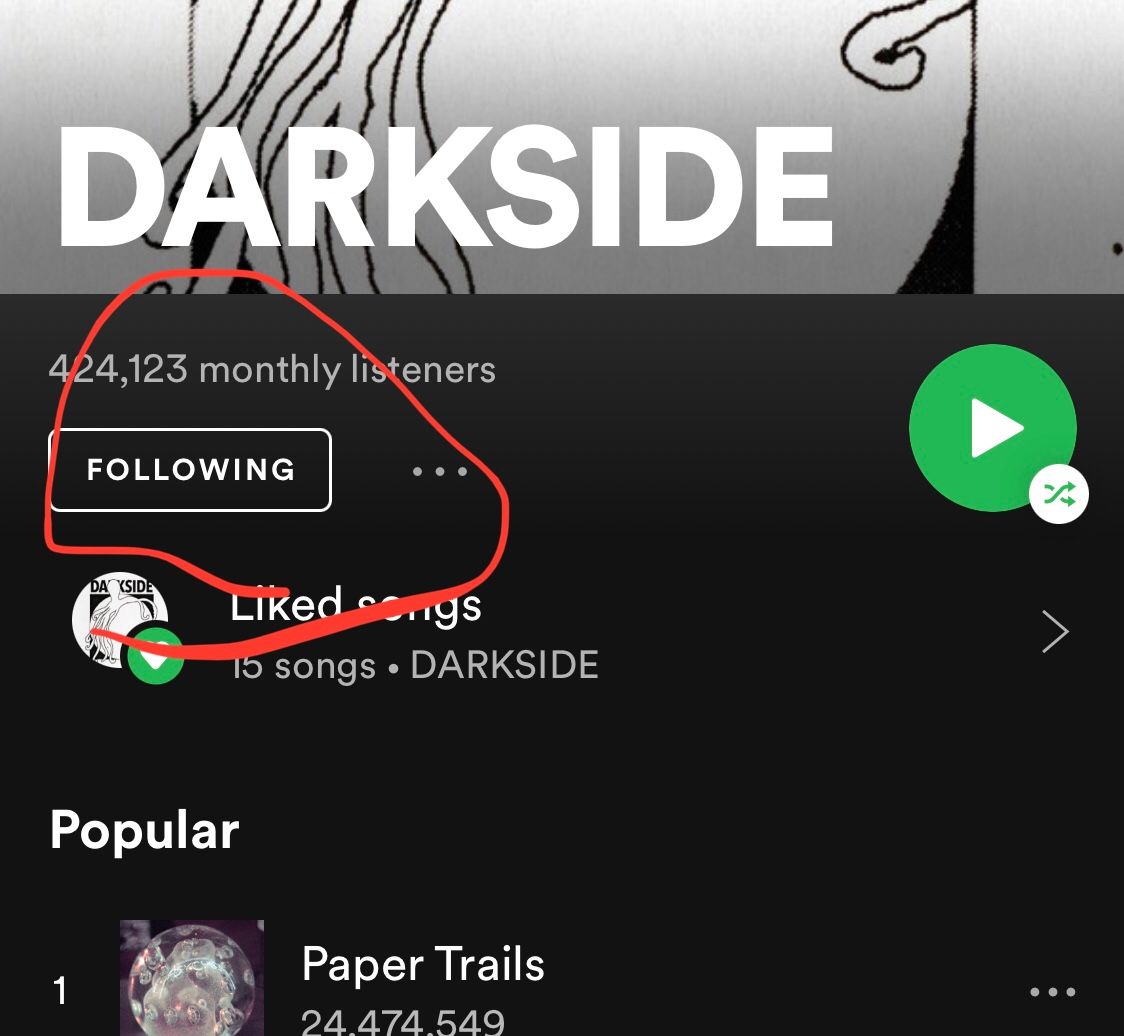
I follow DARKSIDE (Nicolas Jaar): https://open.spotify.com/artist/2933wDUojoQmvqSdTAE5NB?si=coQ_g8uKRg-jiK3yMv8cZw
I received a song https://open.spotify.com/track/30fU3NXQow8l0Fpmgr2c4v?si=rOBOkHy6QGqNv5-5ZovvCQ from this fraudulent DARKSIDE https://open.spotify.com/artist/5RMkCSmxoCoWSzMowS76aF?si=jXHXYKXrQ563Of4ymrkcRw

rollulus
Hey, I was just about to post the same re Darkside. You beat me to it.
If I go to the artist page of Darkside from my Release Radar it takes me to the artist I’m not following, which also clearly shows.
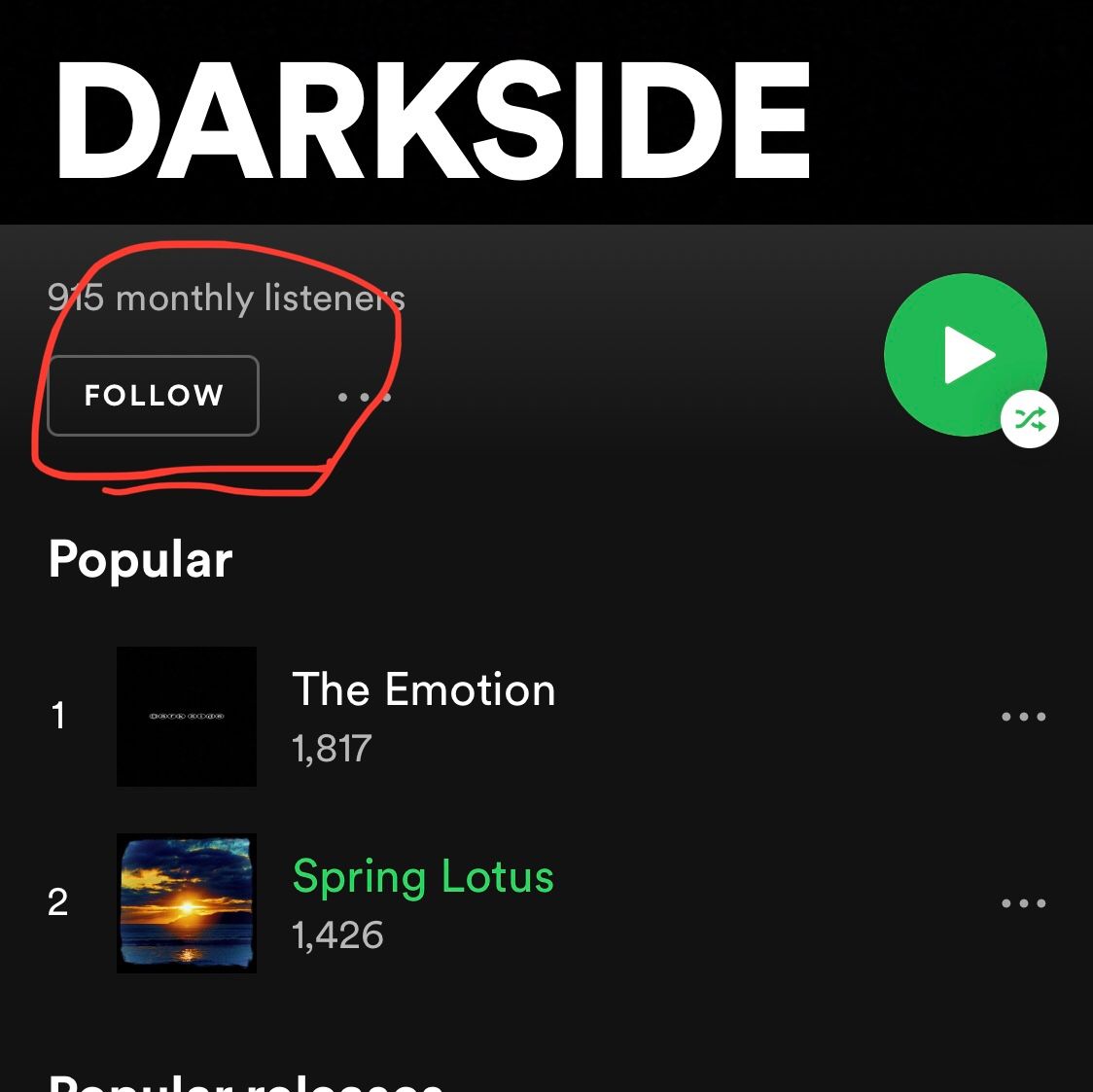
And when I go to the Darkside I am following it clearly shows just that as well.
Thanks for the fantastic community outreach Mihail,
but wait… hold up. I carefully read your post and still don't have clarity on a very important distinction between two issues:
1. RR shows an artist uploaded a track to Spotify using an established artist URI, either accidentally or maliciously. This could be either the 'main' artist or a featured artist. This is generally a human issue, is not a fault of the code that generates RR, and can be addressed with the 'Report content' form.
2. RR shows a track from a new artist with the exact same name as an established (followed) artist, but the new artist has a completely different URI from the one I follow.
#2 is most frustrating as it feels like a solvable problem. A quick example from this week's RR. An artist I DO follow, "ford." has a URI of spotify:artist:7ItbAZITSFxSy5LJChXe18,
but my RR erroneously shows a track from "ford." I do NOT follow, spotify:artist:2wDReEUohu3jvfUSONAZnX
Did this incorrect "ford." (the one I do NOT follow) upload their music with their new/unique artist URI, or did they upload it with the artist I follow's URI, and then it was corrected by humans between the time the RR started being generated and when it was finally shown to me days later?
It sounds like you're implying the latter is what happens. If so, could the script do a double check, before the RR is released to users, to check if URIs have changed between when it was generated, and when it was released to users? I have no clue about the technical debt for such an operation.
If it's correct that "ford." was corrected by a human between the time the RR started generating, and when it was released to me, then the "Report content" form is useless here. The issue has already been corrected, the new artist has been updated to have a unique URI. However, I am still experiencing the pain of the issue, as the RR was generated against the incorrect URI. Nothing I can do as a user actually helps solve the issue in the future.
The big underlying issue here is the lack of trust/verification system. Instead of fanciful ideas of AI listening and identifying between two artists of the same name, artists should be given a unique public/private key pair during onboarding with Spotify, and the private key is required for any and all releases to their URI. This would completely eliminate both #1 and #2 issues as described above.
Classic Spotify. So I report tracks that wrongly feature the band Zeke on them, like the mod above asks and this is the response... Are you serious? I do not fuскing know who the correct artist is! All I know is that a rapper by the name of Zeke is on the punk band Zeke's page and I'm getting tired of having this in the release radar. You fix it, not me!